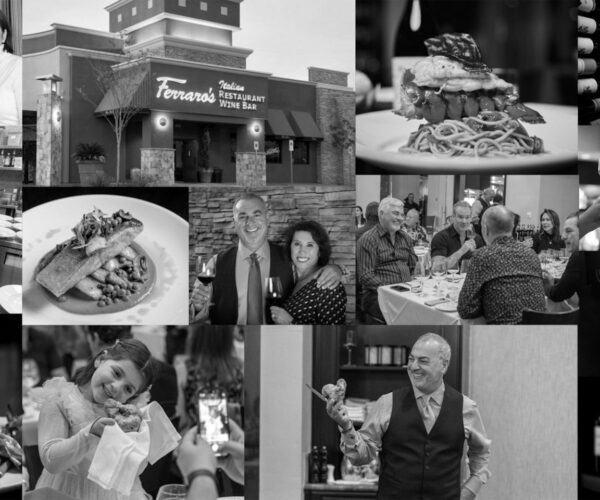
Ferraro’s Ristorante is more than a place to enjoy a meal. It is a destination where the heart and soul of Southern Italy are brought to life on every plate. For nearly four decades, we have welcomed guests to experience elegant dining rooted in time-honored family recipes, gracious hospitality, and world-class service.
An exquisite meal, however, is only one part of the experience. Italian fine dining combines culinary excellence, meaningful conversation, and respectful social traditions. Understanding Italian dining etiquette helps you enjoy each course confidently while appreciating the care put into the food, wine, and service.
This guide explains essential Italian restaurant etiquette, traditional meal courses, wine customs, and fine dining table manners to help make your experience comfortable, memorable, and authentically Italian.
Italian Dining Etiquette Before the Meal
Italian dining etiquette begins before you sit down. Making a reservation, arriving on time, and choosing appropriate attire help set the tone for the evening.
Make a Reservation in Advance
Reservations are highly recommended at an elegant Italian restaurant, particularly during weekends, holidays, and special occasions.
Booking ahead allows the restaurant team to prepare for your arrival and helps ensure a smooth, welcoming start to your experience.
Wait to Be Seated
When you arrive, wait for the host or hostess to greet you and escort you to your table.
Italian hospitality centers on making guests feel welcome and cared for. Allowing the restaurant team to guide you to your table is both courteous and consistent with fine dining etiquette.
Dress for the Setting
Although Las Vegas offers many casual dining experiences, an authentic Italian fine-dining restaurant calls for polished, respectful attire.
Business casual or elegant evening attire is generally appropriate. Men may choose collared shirts, tailored slacks, or jackets. Women may wear dresses, elegant separates, or smart trousers.
Your clothing should reflect a refined atmosphere while keeping you comfortable throughout the meal.
Understanding the Fine Dining Table Setting
The arrangement of plates, glasses, and silverware is designed to support a multi-course dining experience.
A helpful rule is to begin with the silverware positioned farthest from your plate. As each new course arrives, work your way inward.
Your water glass and wine glasses are typically placed above the knives on the right side of the setting. A bread plate may be positioned above the forks on the left.
When unsure, follow the service’s pace or politely ask your server for guidance.
How to Order From a Traditional Italian Menu
Exploring a traditional Italian menu is part of the dining experience. Each menu section represents a different stage of a thoughtfully paced meal.
Ask Your Server for Recommendations
Your server is more than someone who takes your order. They are knowledgeable guides who can help you understand the menu, choose dishes, and pair courses appropriately.
Do not hesitate to ask about house specialties, seasonal dishes, handcrafted pasta, or Ferraro’s signature Osso Buco.
Asking thoughtful questions is good Italian dining etiquette because it shows respect for the restaurant’s knowledge and culinary traditions.
Discuss Dietary Needs Early
Communicate any allergies, dietary restrictions, or food preferences before placing your order.
Guests seeking vegan or gluten-free options should speak with their server so the culinary team can recommend suitable dishes and explain available accommodations.
Clear communication enables the kitchen and service team to provide a safer, more enjoyable dining experience.
Understanding Traditional Italian Meal Courses
A traditional Italian meal may include several courses, each intended to be enjoyed slowly.
Antipasti
Antipasti are appetizers that introduce the flavors of the meal. They may include cured meats, cheeses, seafood, vegetables, or other small dishes.
Primi
The primo is the first main course and usually features pasta, risotto, soup, or another starch-based dish. Although it comes before the protein course, the primo is often one of the highlights of an Italian meal.
Secondi
The secondo is the main protein course. It may feature meat, poultry, seafood, or fish.
Contorni
Contorni are vegetable or starch-based side dishes. In traditional Italian dining, they are often ordered separately from the main course.
Dolci
Dolci are desserts that provide a sweet conclusion to the meal. You are not required to order every course. Choose the dishes that suit your appetite, preferences, and occasion. One of the most important principles of Italian dining etiquette is to avoid rushing. Italian meals are meant to unfold gradually, allowing time for conversation and appreciation between courses.
Italian Wine Etiquette and Sommelier Guidance
A carefully curated wine program is one of the hallmarks of authentic Italian fine dining. At Ferraro’s Ristorante, the award-winning wine cellar plays an important role in the overall experience, offering guests the opportunity to explore exceptional vintages, regional pairings, and time-honored wine traditions.
Understanding Italian wine etiquette, from consulting the sommelier to tasting and approving the bottle, can help guests feel more confident while enhancing their appreciation of each course.
Ask the Sommelier for Help
A sommelier can recommend a wine that complements your meal, personal preferences, and budget. Share the dishes you plan to order and describe the styles of wine you usually enjoy.
For example, you may prefer something light, full-bodied, fruity, dry, earthy, or crisp. The sommelier can then guide you through Italy’s celebrated wine regions, from the bold reds of Piemonte to the crisp white wines of Friuli.
You do not need extensive wine knowledge to ask for assistance. Seeking expert guidance is encouraged and can make your meal more enjoyable.
Understand the Wine Presentation Ritual
When a bottle is ordered, the server or sommelier will present it to the person who selected the wine.
First, inspect the label to confirm the producer, wine, and vintage match your order.
Next, a small amount will be poured for tasting. The purpose of this tasting is to determine whether the wine has a fault, such as cork taint. It is not primarily an opportunity to decide whether you personally like the wine.
If the wine is sound, indicate your approval so it can be served to the rest of the table.
Guests interested in expanding their wine knowledge may also explore Ferraro’s Taste & Learn events, events, which feature guided four-course tastings led by the Ferraro’s team.
Italian Dining Etiquette Rooted in Southern Italian Tradition
Ferraro’s commitment to Southern Italian heritage means proper dining etiquette is rooted in warmth, family, and appreciation rather than rigid rules.
Food as Storytelling
Every recipe carries history.
Ferraro’s dishes reflect the tradition of cucina della nonna, or grandmother’s cooking, brought to life through the modern, chef-driven approach of Executive Chef Mimmo Ferraro.
Take time to notice the ingredients, textures, aromas, and preparation. Conversation about food is welcome, as Southern Italian hospitality encourages guests to share their enjoyment.
From the slow braising of Osso Buco to the careful preparation of handcrafted pasta, each dish reflects patience, skill, and respect for tradition.
Giving the food your attention is one of the most meaningful expressions of Italian dining etiquette.
Embrace Conviviality
The Italian dining experience is centered on convivialità, the pleasure of sharing food and conversation with others.
A fine Italian meal is designed to be leisurely and social. Allow conversation to flow naturally, engage respectfully with the restaurant staff, and avoid creating pressure to move quickly from one course to the next.
The goal is not simply to eat. It is to connect, celebrate, and enjoy the experience together.
Essential Fine Dining Table Manners
A few simple table manners can help you dine comfortably and confidently.
Place Your Napkin in Your Lap
Once seated, unfold your napkin and place it across your lap.
If you temporarily leave the table, place it on your chair loosely. At the end of the meal, place it neatly beside your plate rather than on top of it.
Maintain Comfortable Posture
Sit upright without appearing stiff. Keep your hands visible, with your wrists resting lightly near the edge of the table when you are not eating.
Avoid placing your elbows on the table while actively eating.
Use Silverware From the Outside In
Begin with the utensils positioned farthest from your plate and move inward as the meal progresses.
When you have completed a course, place your knife and fork together diagonally on the plate. This signals that the server may clear it.
Italian Etiquette for Eating Bread and Pasta
Certain Italian dishes have their own customary table manners.
How to Eat Bread
Bread is meant to accompany the meal. Tear off a small piece rather than biting directly into an entire slice or roll.
You may use a small piece of bread to gently collect the remaining sauce from your plate. This practice is known as fare la scarpetta.
Although it is common in relaxed Italian settings, it should be done discreetly in a formal fine dining environment.
How to Eat Long Pasta
Long pasta should be gently twirled around a fork against the plate.
Avoid cutting spaghetti or other long pasta with a knife. A spoon is generally unnecessary unless it is provided or the dish specifically requires one.
Take manageable portions rather than attempting to twirl too many strands at once.
Conversation and Phone Etiquette
Italian dining is a time for conversation, connection, and appreciation.
Keep your phone silenced and out of sight whenever possible. Avoid taking calls, watching videos, or repeatedly checking notifications during the meal.
Taking an occasional photo of a beautifully presented dish may be acceptable, but do so quickly and discreetly. Avoid disturbing other guests or letting the food get cold.
When conversation is flowing, include everyone at the table and speak at a volume that does not disrupt nearby diners.
Completing the Italian Dining Experience
The conclusion of an Italian meal should feel as thoughtful and relaxed as its beginning.
Espresso After Dinner
In Italian tradition, cappuccino is most commonly enjoyed in the morning. After dinner, espresso is the more customary choice.
A small espresso provides a simple and satisfying conclusion to the meal.
Enjoying a Digestivo
Guests may choose to linger over a traditional digestivo such as Grappa, Amaro, or Limoncello.
These Italian liqueurs are commonly served after a meal and offer a final opportunity to relax, continue the conversation, and appreciate the atmosphere.
There is no need to leave immediately after dessert. When appropriate, take a few moments to enjoy the company at your table.
Tipping and Payment Etiquette
Because Ferraro’s Ristorante is located in the United States, customary American tipping practices apply.
A gratuity of approximately 18 to 20 percent is common for attentive fine dining service. Review the bill first to determine whether a service charge or gratuity has already been included.
When you are ready for the bill, make eye contact with your server or politely ask for the check. Avoid calling loudly across the dining room or making exaggerated gestures.
Settle the bill discreetly and allow everyone at the table to finish comfortably before departing.
Experience Authentic Italian Dining at Ferraro’s
Understanding Italian dining etiquette can help you feel more confident, but the experience is not about following every rule perfectly.
The most important qualities are respect, patience, curiosity, and appreciation. Take time to enjoy each course, listen to the recommendations of the restaurant team, and connect with the people around your table.
At Ferraro’s Ristorante, authentic Italian dining is guided by family traditions, exceptional hospitality, handcrafted cuisine, and a passion for sharing the culture of Southern Italy.
We look forward to welcoming you.
Make a Dinner Reservation
Book a Private Dining Event
Explore Taste & Learn Wine Events
Frequently Asked Questions About Italian Dining Etiquette
Is it acceptable to use a phone at the table?
It is best to keep your phone silenced and out of sight. Italian dining etiquette emphasizes conversation, connection, and appreciation of the meal.
If you need to take an urgent call, politely excuse yourself from the table.
Should I order my entire meal at once?
In most contemporary Italian fine dining restaurants in the United States, guests usually order their appetizers and main courses together. This allows the kitchen and service team to pace the meal properly.
Dessert, coffee, and digestivi are often ordered after the main courses.
Do I need to order every traditional Italian course?
No. You may select the courses that match your appetite and preferences.
For example, you might order an antipasto followed by a primo, or choose a secondo with a contorno. The traditional course structure is a guide rather than a requirement.
Do I need to finish everything on my plate?
No. Italian dining etiquette does not require you to finish every bite. The goal is to enjoy the food without feeling obligated to overeat. Any remaining food can be left neatly on the plate.
How do I signal that I have finished a course?
Place your fork and knife together diagonally on the plate. This indicates to the server that you have finished and that the plate may be cleared.
Is it appropriate to ask for menu or wine recommendations?
Yes. Asking for guidance is encouraged.
Servers and sommeliers understand the menu and wine program and can recommend selections based on your preferences, dietary needs, budget, and the dishes you’ve chosen.
Can I request dietary accommodations?
Yes. Explain any allergies, dietary restrictions, or preferences clearly and as early as possible.
The restaurant team can tell you which dishes are appropriate and whether reasonable accommodations can be made.
Is it acceptable to share dishes at an Italian restaurant?
Sharing may be appropriate depending on the dish and the style of service. Ask your server whether a plate is intended for sharing or can be divided for the table.
Avoid reaching across the table or passing food with your personal utensils.
What is the most important rule of Italian dining etiquette?
The most important rule is to slow down and appreciate the experience.
Italian dining is about more than food. It is about hospitality, conversation, tradition, and enjoying meaningful time around the table.