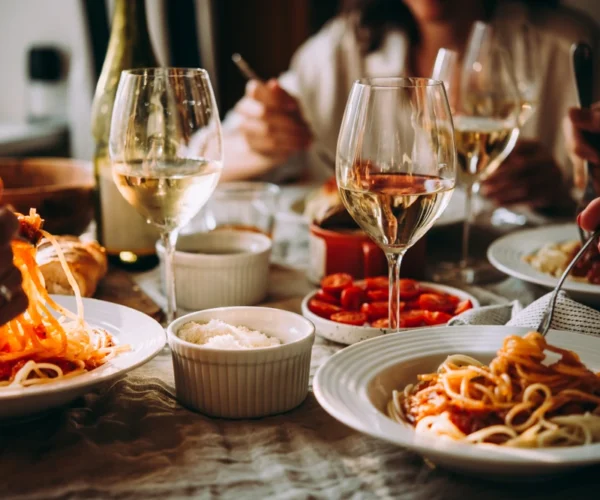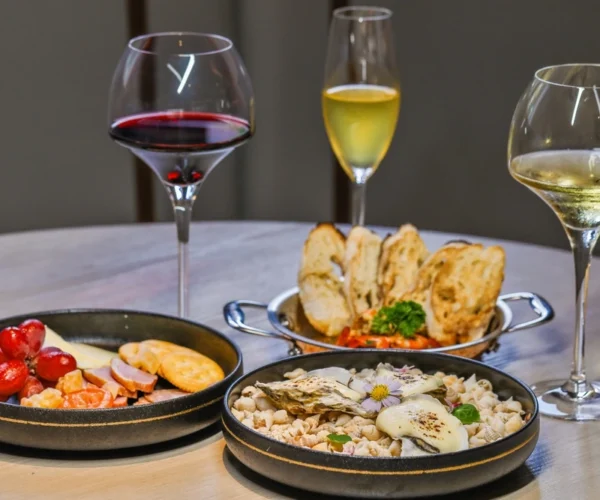
At Ferraro’s Ristorante, Las Vegas’s premier destination for authentic Southern Italian fine dining, the harmony of food and wine is more than a pairing. It is an art form.
From house-made pasta and slow-braised meats to delicate seafood and creamy risotto, each dish brings together distinct flavors and textures. The right Italian wine pairing can complement those qualities, balance the meal, and reveal new flavors in every bite.
Whether you are a seasoned wine enthusiast or simply searching for the right bottle for date night, this guide will help answer a timeless question: What wine goes with Italian food?
Understanding the Art of Italian Wine Pairing
Why Italian Wine Pairing Matters at Ferraro’s
Italian dining has a long tradition of serving food and wine together. The right pairing can balance acidity, soften richness, complement herbs, and help individual ingredients stand out.
Ferraro’s invites guests to explore this tradition through an extensive wine collection featuring more than 1,000 labels. With wines representing regions throughout Italy, guests can find options for everything from light appetizers and seafood to pasta, steak, and braised meat.
You do not need to be a wine expert to choose the right bottle. Understanding a few basic pairing principles can make the process easier.
Core Considerations When Pairing Italian Food and Wine
The Sauce Is the Star
The sauce often has more influence on the pairing than the pasta shape or protein.
Tomato sauces: Choose a wine with lively acidity, such as Chianti Classico, Barbera, or Montepulciano d’Abruzzo. These wines can complement the natural acidity of tomatoes while supporting the deeper flavors of slow-cooked ragù.
Creamy sauces: Select a fuller white wine with enough acidity to balance the richness. Aged Chardonnay, Fiano di Avellino, or Greco di Tufo may work well with creamy pasta and risotto.
Pesto and herb-based sauces: Look for aromatic white wines such as Vermentino, Sauvignon Blanc, or Fiano. Their citrus, herbal, and mineral characteristics can complement basil, olive oil, nuts, and fresh cheese.
Olive oil and garlic preparations: Crisp whites such as Soave, Verdicchio, or Etna Bianco can balance garlic, chili, and extra virgin olive oil without overpowering the dish.
Consider the Protein
The main protein can help determine the weight and structure the wine needs.
Veal and braised meat: Structured red wines such as Barolo, Barbaresco, Brunello di Montalcino, or Amarone can stand up to slow-cooked meat and rich sauces.
Chicken: Chicken can pair with either red or white wine depending on its preparation. Breaded chicken may work with Sangiovese, while chicken served with lemon or white wine may pair better with Verdicchio or Fiano.
Seafood: Crisp Italian whites such as Falanghina, Vermentino, Greco di Tufo, and Verdicchio are practical options for fish and shellfish.
Think Regionally
Italian dishes and wines from the same region often pair naturally because they developed around similar ingredients and dining traditions.
This is not a strict rule, but it provides a useful starting point. Tuscan Sangiovese works well with tomato-based pasta and grilled meat, while Campanian white wines often complement seafood, vegetables, and dishes featuring lemon.
Perfect Red Wine Pairings for Italian Cuisine
Red Wine for Hearty Tomato-Based Pasta
Tomato-based sauces need wines with enough acidity to remain balanced beside the sauce.
Chianti Classico: Primarily made from Sangiovese, Chianti Classico offers bright acidity, red-fruit flavors, and savory qualities. It pairs well with Rigatoni Amatriciana, lasagna, meatballs, and Bolognese sauce.
Barbera d’Alba: Barbera is known for its high acidity and relatively gentle tannins. It can complement tomato sauce without making the pairing feel too heavy.
Montepulciano d’Abruzzo: This medium-to-full-bodied wine works well with sausage, baked pasta, meat sauces, and eggplant Parmigiana.
Cabernet Sauvignon: A full-bodied Cabernet can stand beside substantial dishes such as Lasagna alla Gino with Bolognese, béchamel, and ricotta.
Red Wine for Lighter Tomato Dishes and Pizza
Simple tomato dishes often need a wine that is fresh rather than overly powerful.
Sangiovese: Bright cherry, dried herbs, and noticeable acidity make Sangiovese a natural match for tomato, basil, and mozzarella.
Barbera: Its acidity and soft red-fruit character can complement Pizza Margherita and Spaghetti Pomodoro con Stracciatella.
Etna Rosso: This Sicilian red is often mineral-driven and lighter in body than many powerful Italian reds. It can pair with tomato, herbs, mushrooms, and mild meats.
Red Wine for Braised Meat
Rich meat dishes need wines with enough body, tannin, and acidity to support their weight.
Barolo: Barolo offers firm tannins, high acidity, and complex earthy, floral, and red-fruit characteristics. It is a strong match for osso buco, mushrooms, veal, and truffle dishes.
Barbaresco: Also made from Nebbiolo, Barbaresco can complement braised meat, risotto, mushrooms, and veal.
Brunello di Montalcino: This structured Tuscan wine works well with osso buco, steak, wild game, and aged cheese.
Amarone della Valpolicella: Amarone is concentrated and full-bodied, making it suitable for deeply flavored braised meats and aged cheeses.
Exquisite White Wine Pairings With Italian Fare
Crisp Whites for Seafood and Salads
Fresh seafood and salads generally pair best with wines that offer acidity, citrus, mineral qualities, or light salinity.
Falanghina: This southern Italian white may show citrus, floral, and mineral characteristics. It pairs well with calamari, shellfish, branzino, and seafood served with lemon.
Vermentino: Vermentino’s freshness, herbal notes, and light salinity complement shellfish, grilled fish, Bufala Caprese, and vegetable dishes.
Verdicchio: Bright acidity and subtle herbal or almond notes make Verdicchio a useful pairing for fish, clams, garlic, and olive oil.
Greco di Tufo: This structured white can support seafood dishes with richer sauces while retaining enough acidity to refresh the palate.
Round Whites for Creamy Dishes
Creamy pasta and risotto need wine with enough body to match their texture and enough acidity to prevent the meal from feeling too heavy.
Aged Chardonnay: A fuller Chardonnay can complement buttery sauces, creamy risotto, seafood, and soft cheese.
Fiano di Avellino: Fiano may offer citrus, orchard fruit, floral, mineral, and nutty qualities. It works well with creamy risotto, pesto, roasted vegetables, and seafood.
Greco di Tufo: Greco di Tufo provides acidity and mineral character that can balance cream, cheese, and rich seafood preparations.
Risotto Pomodoro, Pesto e Stracciatella may pair well with Fiano, Greco di Tufo, or a balanced Chardonnay. The best choice should account for the tomato, pesto, cheese, and overall richness of the dish.
Herbaceous Whites for Pesto and Vegetables
Fresh herbs, pesto, olive oil, nuts, and vegetables often pair well with aromatic white wines.
Sauvignon Blanc: Its acidity, citrus, and grassy characteristics can complement basil, grilled vegetables, salads, and fresh cheese.
Vermentino: Herbal and lightly saline qualities make it a natural match for pesto, seafood, and vegetable-based dishes.
Vernaccia di San Gimignano: This Tuscan white is often crisp, floral, and mineral-driven. It can pair with grilled vegetables, seafood, and lighter pasta.
Fiano di Avellino: Fiano has enough weight for pesto dishes that include nuts, cheese, or potato gnocchi.
Italian Wine Pairings for Ferraro’s Dishes
Osso Buco
Ferraro’s house-specialty Osso Buco features a braised veal shank with red wine reduction and saffron risotto.
Consider pairing it with:
- Barolo
- Barbaresco
- Brunello di Montalcino
- Amarone della Valpolicella
These structured wines have enough depth to complement the veal and rich sauce.
Rigatoni Amatriciana
Tomato, guanciale, pancetta, pecorino, and red pepper flakes create a rich, savory pasta with noticeable acidity and spice.
Consider pairing it with:
- Chianti Classico
- Barbera d’Alba
- Montepulciano d’Abruzzo
- Etna Rosso
Spaghetti Aglio, Olio e Peperoncino
Garlic, olive oil, chili, and parsley call for a fresh wine that will not overwhelm the simplicity of the dish.
Consider pairing it with:
- Soave
- Verdicchio
- Etna Bianco
- Vermentino
Gnocchi Pistachio
Potato gnocchi, pistachio pesto, roasted tomato, and crushed pistachios combine creamy, nutty, herbal, and lightly acidic flavors.
Consider pairing it with:
- Fiano di Avellino
- Vermentino
- Greco di Tufo
- Barbera
Branzino
The best wine for branzino depends on the current sauce, vegetables, herbs, and other accompaniments.
Consider pairing it with:
- Falanghina
- Vermentino
- Greco di Tufo
- Verdicchio
Pollo Milanese
Breaded chicken with fresh salad or vegetables can pair with either red or white wine.
Consider pairing it with:
- Sangiovese
- Pinot Nero
- Verdicchio
- Fiano di Avellino
Tiramisu
Dessert wine should generally be as sweet as or sweeter than the dessert.
Consider pairing tiramisu with:
- Vin Santo
- Recioto della Valpolicella
- Moscato d’Asti
Vin Santo can complement the coffee, mascarpone, and cocoa, while Recioto provides a richer pairing for chocolate and espresso flavors.
Regional Pairings From Northern to Southern Italy
Northern Italy
Barolo, Piedmont: Veal, osso buco, mushrooms, truffles, and braised meat
Barbaresco, Piedmont: Risotto, veal, mushrooms, and rich meat dishes
Amarone, Veneto: Braised meat, steak, aged cheese, and deeply flavored sauces
Soave, Veneto: Seafood, vegetables, garlic pasta, and lighter appetizers
Franciacorta, Lombardy: Fried appetizers, seafood, cheese, and celebratory meals
Central Italy
Chianti Classico, Tuscany: Tomato pasta, Bolognese, meatballs, pork, and grilled meat
Brunello di Montalcino, Tuscany: Osso buco, steak, braised meat, and aged cheese
Vernaccia di San Gimignano, Tuscany: Seafood, grilled vegetables, beans, and lighter pasta
Montepulciano d’Abruzzo, Abruzzo: Sausage, meat sauce, baked pasta, and roasted meat
Southern Italy and the Islands
Fiano di Avellino, Campania: Seafood, creamy risotto, pesto, vegetables, and chicken
Falanghina, Campania: Fried seafood, shellfish, salads, and lemon-based dishes
Primitivo, Puglia: Spicy tomato sauces, sausage, grilled meat, and barbecue
Nero d’Avola, Sicily: Eggplant, lamb, tomato sauce, caponata, and grilled meat
Etna Rosso, Sicily: Mushrooms, tomato pasta, herbs, pork, and lighter meat dishes
Greco di Tufo, Campania: Seafood, creamy sauces, risotto, and fresh cheeses
Master Sommelier Tips for Wine & Italian Food Pairing
Acidity Is Non-Negotiable
Matching acidity is especially important with tomato-forward dishes. Wines such as Chianti Classico, Barbera, and Falanghina can refresh the palate and complement acidic sauces.
A wine without enough acidity may taste flat when served with tomatoes, citrus, vinegar, or other bright ingredients.
Intensity Matching Ensures Harmony
Do not let a delicate wine get lost beside a rich dish.
Full-bodied meat dishes usually need a structured wine, while light seafood and vegetable preparations tend to work better with crisp whites or lighter reds.
Match Richness With Body
Light dishes: Pinot Grigio, Soave, Vermentino
Medium dishes: Sangiovese, Barbera, Dolcetto
Rich dishes: Barolo, Brunello di Montalcino, Amarone, aged Chardonnay
Match the Wine With the Strongest Flavor
The protein is not always the deciding factor. Chicken served with tomato sauce may pair more like a tomato dish, while seafood served with a creamy sauce may need a richer wine than simply grilled fish.
Do Not Assume Pasta Requires Red Wine
Pasta can pair with red, white, rosé, or sparkling wine. The sauce, herbs, cheese, protein, and preparation should guide the selection.
Ferraro’s Sommelier Picks by Dish
Osso Buco: Barolo or Brunello di Montalcino
Risotto Pomodoro, Pesto e Stracciatella: Fiano di Avellino, Greco di Tufo, or aged Chardonnay
Branzino: Falanghina, Vermentino, or Greco di Tufo
Gnocchi Pistachio: Fiano di Avellino, Vermentino, or Barbera
Rigatoni Amatriciana: Chianti Classico, Barbera, or Montepulciano d’Abruzzo
Spaghetti Aglio, Olio e Peperoncino: Soave, Verdicchio, or Etna Bianco
Tiramisu: Vin Santo or Recioto della Valpolicella
These recommendations provide a starting point. The best choice may change depending on the specific bottle, vintage, preparation, and personal preference.
Let our wine team be your guide. Every bottle in Ferraro’s cellar is hand-selected to showcase distinguished Italian regions, producers, and grape varieties.
Frequently Asked Questions
What red wine pairs best with tomato-based pasta?
Chianti Classico and Barbera d’Alba are dependable choices because their acidity complements tomato sauce. Montepulciano d’Abruzzo can work well with heavier tomato and meat sauces.
Which white wine suits light seafood dishes?
Falanghina, Vermentino, Verdicchio, and Greco di Tufo can all complement seafood. The best choice depends on whether the dish is grilled, fried, served with citrus, or prepared with a rich sauce.
Does the body of the wine matter?
Yes. Full-bodied wines generally complement rich dishes, while lighter wines are less likely to overpower seafood, salads, and vegetables.
Should I consider regional pairings?
Yes. Pairing a dish with a wine from the same Italian region can provide a useful starting point because local foods and wines often developed alongside one another.
Can I ask Ferraro’s staff for recommendations?
Yes. The Ferraro’s wine team can recommend a glass or bottle based on your selected dishes, personal preferences, and preferred price range.
Elevate Your Ferraro’s Experience
Italian wine pairing is not about following an inflexible set of rules. It is about understanding how acidity, body, tannin, sweetness, texture, and flavor interact with the meal.
Each dish tells a story at Ferraro’s, and the right wine can add another layer to that experience. Explore different Italian regions, ask questions, and allow your preferences to develop with every meal.
Whether you are planning a romantic evening, an elegant business dinner, or a special celebration, Ferraro’s offers authentic Southern Italian cuisine, thoughtful wine recommendations, and Las Vegas’s most refined dining atmosphere.
Reserve your table at Ferraro’s Ristorante or call (702) 364-5300 to explore Italian food and wine pairings in Las Vegas.